India (INR)
A search for a one-of-a-kind diamond engagement ring will provide you with a ton of information. You may have come across the term “conflict-free diamonds.” This rather vague term is often used in the diamond industry. But, what exactly does it mean and why does it matter?
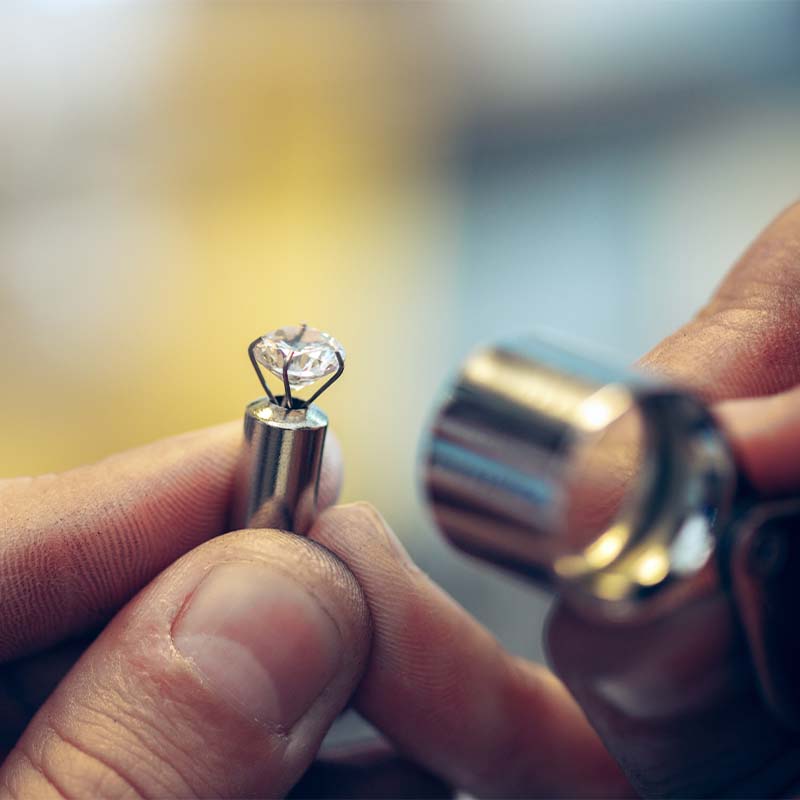
When shopping for jewelry, especially for a diamond ring, focus is usually on the stones. Overall, the 4Cs (cut, clarity, color, and carat weight) will guide you to the perfect diamond. But beyond the 4Cs, you may also want to know where the gem came from. Who mined it before the process of cutting and polishing? How many hands did the stone pass through before it ended up as the eye catching star of your ring?
Shimmering diamonds evoke images of bridal bliss, happy couples, and timeless beauty. Yet, by the time diamonds reach the point of sale, they’ve undergone drastic changes. Starting as pieces of unrefined rock, diamonds require a lot of processing.
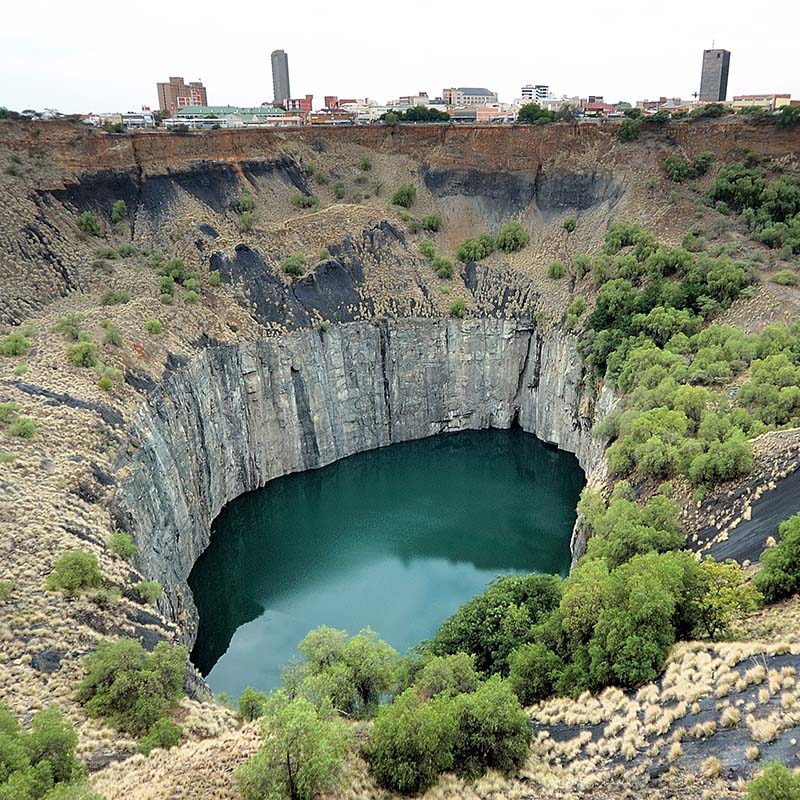
In the past, you could only get diamonds through mining. To start, diamonds form up to 120 miles under the Earth’s crust. Then, diamonds move closer to the surface through volcanic activity. About 30% of diamond mines are actually underground. Others are open-pit mines. Alternatively, other diamonds come from rivers. You can find diamonds in over 35 countries around the world. However, most diamonds originate in African countries like Botswana, Angola, and the Congo. A mined diamond may also come from Russia, Australia, and Canada. That said, there are many sources and types of diamonds available for you to choose from.
To give you an idea, here are the main types of diamonds in the industry:
These are diamonds that have been recently extracted from the earth.
This refers to a diamond after removal from the earth and processing at a mine. Then, a cut and polish transforms the stone to a jewelry worthy gem.
Today, lab-created diamonds are a popular alternative to natural diamonds. They are also referred to as lab-grown or man-made diamonds. Lab diamonds have all the characteristics of natural diamonds, but without mining. These diamonds, while manmade, are very much real diamonds. They have the same hardness, refracted characteristics and visual properties as a mined diamond.
Do you have an older piece of diamond jewelry? If you sold this piece of jewelry, it would enter the recycled diamond trade. Often vintage or pre-owned diamonds, these reclaimed stones may also carry emotional value.
Now you have an understanding of the types of diamonds and a bit more about the diamond industry. So, let’s get into what makes a conflict diamond and how it’s different from a conflict-free diamond.
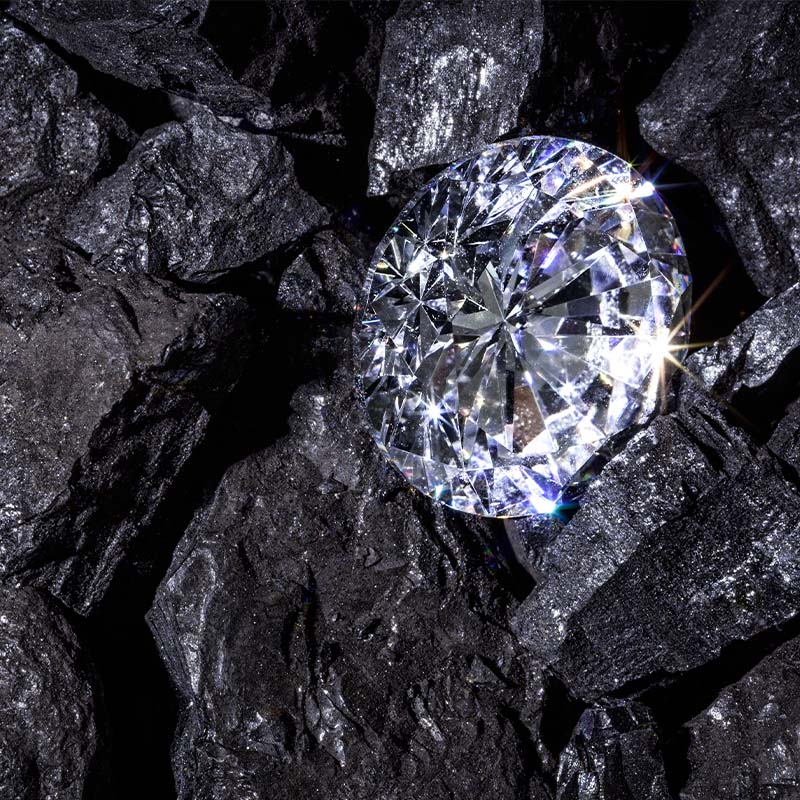
Originally, diamond mining was the only way people could access these gorgeous stones. Unfortunately, there is a dark side to gemstone mining. Many rebels and civil war factions have funded their wars through diamond trading. Diamonds mined under these circumstances are commonly known as conflict diamonds. Another well known phrase for these stones is blood diamonds. The term first appeared in the late 90s. The countries of Angola, the Congo, and Sierra Leone were rife with civil war. Rebel groups in these countries traded diamonds to fund their weapons purchases. In turn, these insurgents would carry out violent campaigns in war torn areas.
You may have heard of the popular 2006 movie, Blood Diamond, which stars Leonardo DiCaprio. This film helped enlighten many consumers about the diamond trade problems. The fiction-based movie tells of rebels who used money from the diamond trade to finance war. With the funding of illegal diamonds, they terrorized civilians and communities.
Thankfully, there is a growing awareness of this problem. As such, leaders in the industry have been working toward eliminating conflict diamonds. Today, there are many advocacy groups and organizations that work to ensure the sale of only conflict-free diamonds.
If you’d prefer to buy conflict-free diamonds, here are three things to consider:
Another concern is the origin of the diamond. Look for participants of the Kimberley Process, which include 82 countries. Participants are responsible for ensuring that 99.8% of the world’s diamonds are conflict free. Purchase your diamonds from Kimberley Process participants to avoid most conflict diamonds.
Is your main goal to ensure your stunning, shiny stone is conflict free? Or, do you want to go above and beyond to buy truly ethical diamonds?
Seeking to buy a conflict-free diamond is an excellent place to start. Unfortunately, human rights abuses are common in the diamond industry. These abuses include child labor, forced labor, and other abuses. Some companies have less than stellar reputations in the mining communities. Furthermore, mining also harms the environment in the surrounding areas.
Buying ethically sourced diamonds can help you feel good about your glittering gem. Yet, how should you go about ensuring your diamond is ethical?
The Kimberley Process is currently working on broadening the certification. This aims to discourage other abuses and moral issues within the diamond trade. Yet, the Human Rights Watch says that countries like India and Angola don’t like this idea. For this reason, you might consider avoiding diamonds that come from these countries.
Instead, consider choosing diamonds mined in Namibia and Botswana. These are countries known for their support of small-scale miners. Plus, the governments of these countries have stricter labor and environmental laws. Some other great options for buying diamonds that are ethically sourced include:
Canada is well known for its laws on the environmental and social impacts of mining. For this reason, many people feel that mined diamonds from this country are more ethical.
Lab diamonds are chemically and optically identical to natural diamonds. So, you'll never be able to tell the difference between a lab-created diamond and a mined diamond. They can both offer a flawless stone that glitters on your engagement ring. Yet, lab-grown diamonds are much easier to trace. This helps ensure that they are ethical diamonds. You can research the company that made the diamonds. Determine if they treat employees fairly and offset environmental impacts.
Originally, the diamond may have been a conflict diamond. However, you can use a recycled diamond with confidence. Using a pre-owned diamond won't result in any other ethical concerns. Recycled diamonds can be reset and repolished to match the style you desire and look like new. Plus, a recycled diamond might even bring a sentimental touch to your ring.
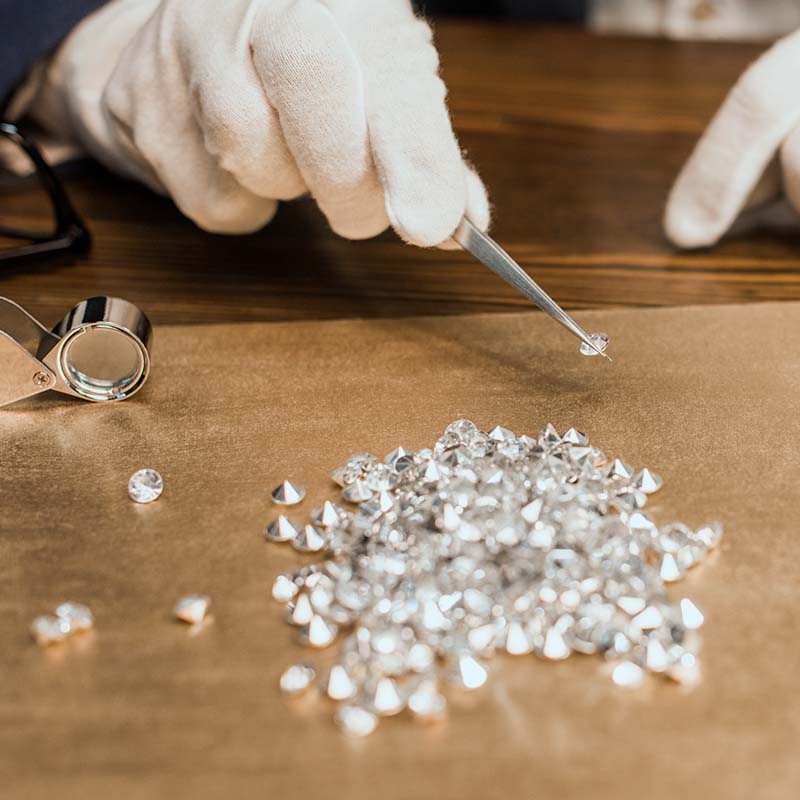
Ultimately, choosing an ethical diamond can come down to various factors. Decide what issues are closest to your heart and go from there. Work with a reputable jeweler who can help you answer the questions you have such as:
With these questions answered, you can buy your diamond jewelry with confidence. You will know that your purchase is contributing to a better world.
Diamonds & Me is proud to offer conflict-free, conscientiously sourced diamonds. Rest assured, that you can purchase your ring without a smidge of guilt. You may need a wedding band to have and hold forever or a stunning engagement ring. Our ethical diamonds add a perfect, timeless sparkle to all our fine jewelry.
Do you need help selecting your diamond jewelry? Please feel free to get in touch with us. We’d love to hear from you!
Do you still have questions? Here are a few frequently asked questions to help you through the process:
A conflict-free diamond is a stone not used to support rebel groups. As a result, these groups use the money from diamonds in their efforts to undermine governments. Conflict diamonds or blood diamonds are currency that warlords use as funding. The term emerged in the 1990s, when civil wars were being waged in the African countries of Angola, Sierra Leone, and the Congo. Rebel groups in these countries used illegally traded diamonds to purchase weapons. Unfortunately, they also committed violent acts against civilians, creating much suffering.
Today, very few of these unethical diamonds make it into the diamond trade. Yet, many human rights activists are pushing for a broader definition of blood diamonds. This is with the intent to protect mining communities from human rights abuses.
No, conflict-free diamonds are not more expensive. In fact, it’s impossible to distinguish conflict diamonds from conflict-free diamonds. So, the cost is usually the same.
That said, some diamonds are more expensive than others. For example, Canadian mined diamonds often have a higher cost than diamonds found in Africa. On the other hand, lab-created diamonds are often less expensive than natural diamonds. Many consumers find great competitive prices when shopping for lab diamonds.
When purchasing a diamond ring, you’ll find that a diamond’s true value is in the significance of the ring. The sentimental value is the warm feeling it gives you while wearing it.
Yes, conflict-free diamonds are real diamonds. In fact, the wide majority of the world’s diamond trade today is in conflict-free diamonds.
While some people opt for gemstone alternatives, conflict-free diamonds are 100% real. Choose lab-created diamonds, ethically-sourced diamonds, or recycled diamonds. There are many spectacular conflict-free stones to choose from.
You can make sure that diamonds are conflict free by purchasing stones approved by the Kimberley Process. You can also ensure that your diamonds are ethically sourced by finding out where they come from. Ask what mining practices are in the stone’s country of origin. Or, you can choose lab-grown diamonds.
Experts estimate that only 5-10% of diamonds traded today are illegal. In the past, this number was as high as 25%. It’s difficult to pin down an exact number of diamonds that are conflict free. That said, it’s safe to say that the vast majority of diamonds traded today are ethical.
Unfortunately, conflict diamonds still exist in some parts of the world. Through loopholes and corruption, conflict diamonds are still traded. This is true even in countries that participate in the Kimberley Process. So, if you’re passionate about using conflict-free diamonds in your jewelry, consider opting for lab-grown diamonds. Or, work with a jeweler who is very knowledgeable about their diamond suppliers.
Looking for financing options. Call or email us today for more information.