Warning: Declaration of PublishPress\Future\Modules\Expirator\Tables\ScheduledActionsTable::column_hook(array $row) should be compatible with ActionScheduler_ListTable::column_hook($row) in /var/www/html/wp-content/plugins/post-expirator/src/Modules/Expirator/Tables/ScheduledActionsTable.php on line 365
The Lab-Created Diamond - Diamonds and Me The Lab-Created Diamond - Diamonds and Me

The Lab-Created Diamond

A Union Between Technology and Fashion

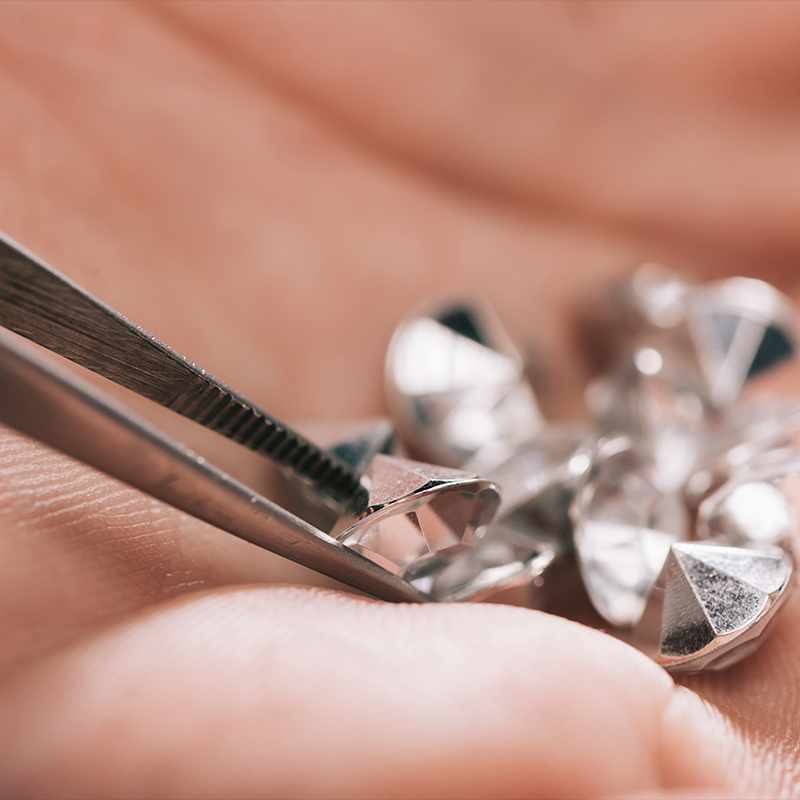
Lab-created diamonds are just as real as those formed in the earth. They look and feel the same as mined diamonds—because they are made of the same elements and undergo the same extreme conditions to form.

In your mind, what does a “real” diamond look like? It shines and sparkles while sitting in its rightful place on your finger. A diamond is meant to make you feel a certain way. It is a token of love. It is a promise. But the diamond that you wear every day can mean even more than you first realized.

Because lab-created diamonds (also referred to as lab grown or manmade) are a growing trend in today’s jewelry industry, you may be wondering whether or not you should buy one. Alternatively, perhaps you haven’t even considered them as a possibility for your engagement ring or wedding set. We aim to answer your questions and show you the true shine of a lab-created diamond here on this page.

Why The Demand for Lab-Created Diamonds Is Booming

Diamonds have boasted many positive nicknames over the years. Thanks to pop culture icons, diamonds are most popularly known as a girl’s best friend. Many people think of diamonds as a classic must-have to their jewelry collection. These scintillating jewels are a staple of wedding culture and fashion in general. But not all of the buzz around diamonds has been upbeat in recent decades. The negative press highlighting the darker side of the diamond trade has encouraged science to change the game with the lab-grown diamond.

Such topics and issues were widely ignored as recently as the late 20th century. But, we live in the age of information and have easy access to news and current events. People are much more attuned to the damaging effects of some diamond mining efforts.

To protect the people affected by the mined diamond trade, the United Nations created the Kimberley Process. This process is a set of rules and regulations that limit the amount of conflict diamonds in the market. Further, it encourages the use of conflict-free stones by providing resources and programs to help communities that once depended on diamond mining. Still, many people feel that an alternative to mined diamonds is the best solution.

Because the demand for diamonds is still rising, it is a challenge to protect the human rights of those mining them. This is why the need for and popularity of lab-grown diamonds is also on the rise.

The Science of Lab-Created Diamonds

We live in a day and age when mining for diamonds isn’t the only way to acquire the precious stones. With the use of advanced technology, diamonds are now created or grown in labs.

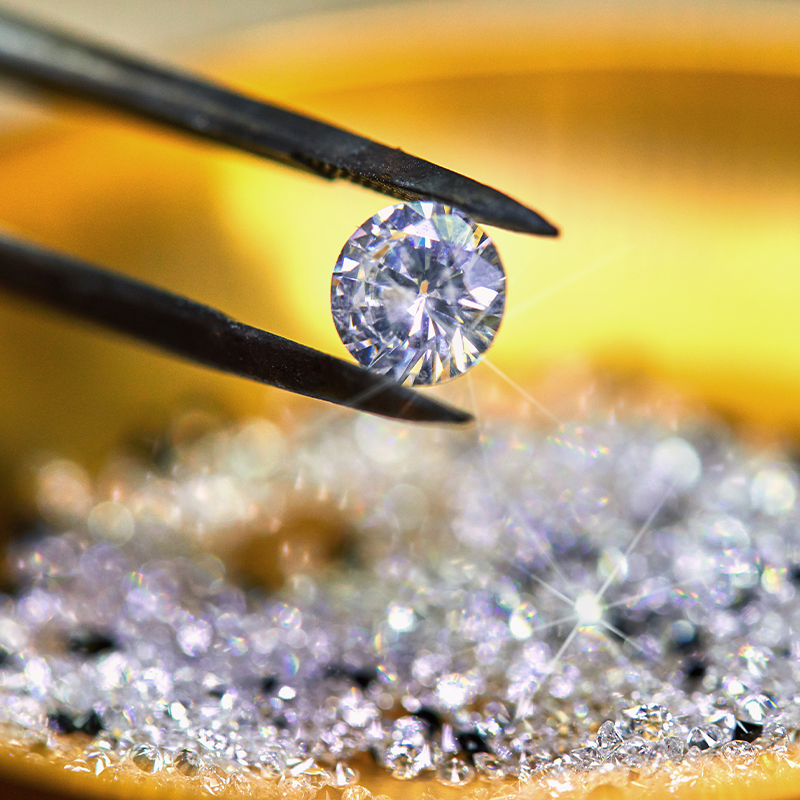
Man-made diamonds are grown in a diamond lab using one of two methods: High Pressure High Temperature (or HPHT), or Chemical Vapor Deposition (or CVD).

The High Pressure High Temperature Method

The first of these techniques, HPHT, was developed in 1954. It mimics the earth’s formation of a diamond. But instead of happening underground, the HPHT method creates carbon copies of diamonds in a lab.

HPHT diamonds form using a process that involves the application of extreme pressure and heat inside a machine. These forces apply to a very small piece of a mined diamond (also known as a diamond seed) inserted into a chunk of carbon. It undergoes extreme conditions to produce diamonds naturally. Almost like magic, a lab-created diamond is born. 

The Chemical Vapor Deposition Method

The CVD method is much newer and less expensive than the HPHT method. After years of experiments and adjustments, CVD lab-grown diamonds are now the glamourous queen of man-made stones.

CVD also works with a fraction of a diamond seed. That fraction can and often is from an HPHT lab-created diamond. This tiny gem is first placed inside an airtight chamber. There, it gets superheated and pumped with carbon-rich gases. The elements from those gases stick to the diamond fragment and build up until a new stone forms. The gases used affect the color and purity of the resulting jewel.

In the end, lab-grown diamonds are identical in appearance and materials to those formed in the Earth. Because they are made of the very same elements, you cannot tell if a diamond is man-made.

Lab-Created Diamonds vs Natural Diamonds

There is a lot of misinformation about the difference between lab diamonds and mined diamonds. If you are shopping for a diamond engagement ring or another piece of diamond jewelry, it is important to understand your options.
Like any good copy, lab-grown diamonds share a few things in common with mined diamonds.

Similarities

Like any good copy, lab-grown diamonds share a few things in common with mined diamonds.

Visual

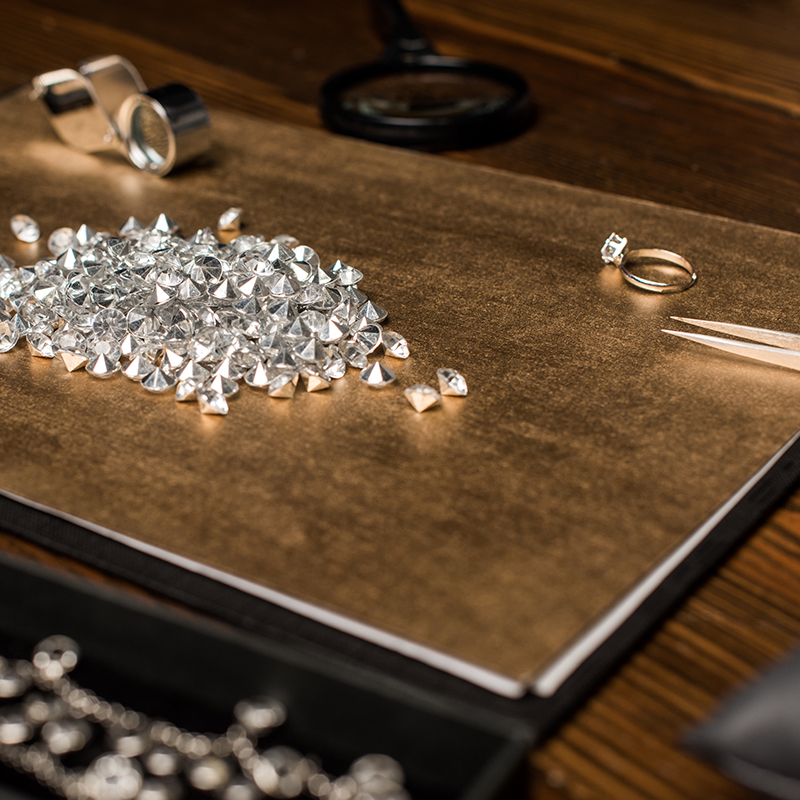
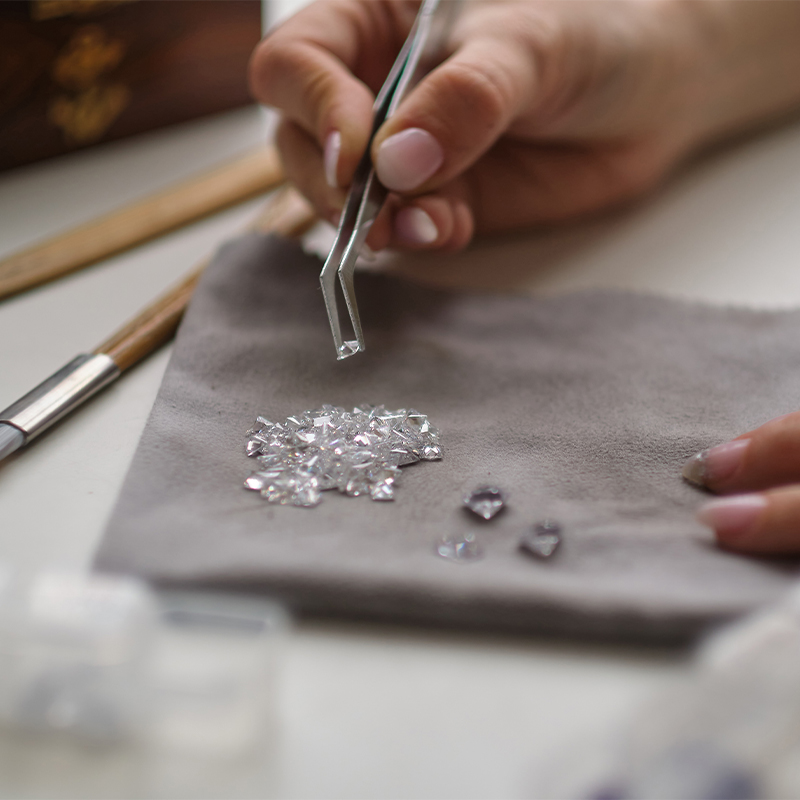
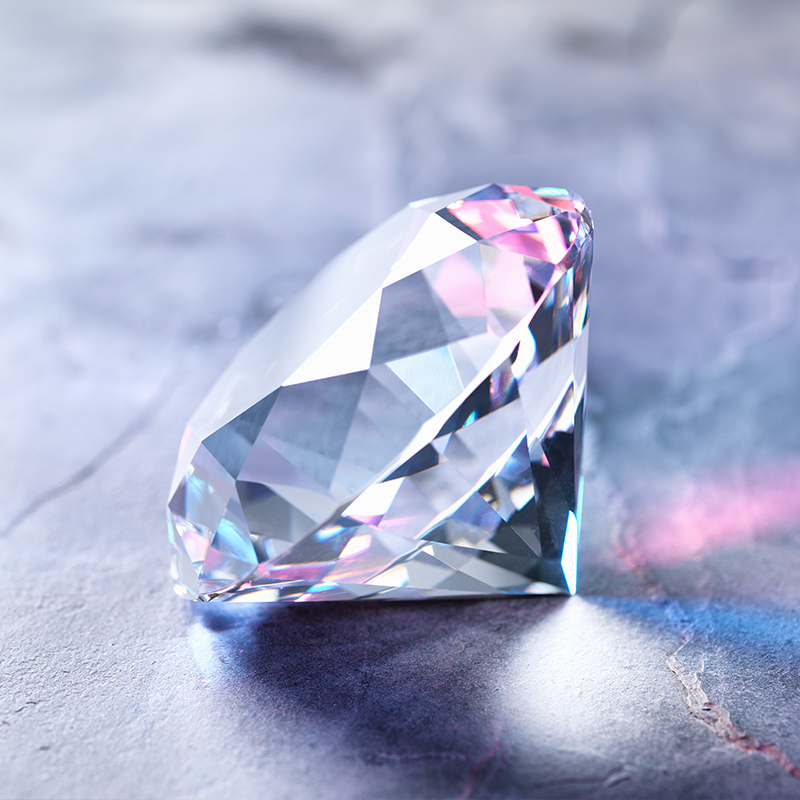
These two types of gems are similar in almost every way as far as the human eye can tell. This is thanks to virtually identical chemical makeup. Both sparkle brilliantly and dazzle with a rainbow of colors when the light hits just right. This means that if you have diamonds on your engagement ring, no one will be able to guess whether it’s lab-created diamonds or mined diamonds. It is amazing to think that science can produce the highest-quality jewels, capable of rivalling even the rarest organic gem.

Usage

Lab diamonds get used for exactly the same purposes as their earth made twins. This includes cutting glass and forming the tips of drilling machines. And, of course, both types of gems are set in diamond jewelry such as engagement rings and wedding bands.

Inclusion & Flaws

As with mined diamonds, lab-created diamonds come in a variety of colors and levels of clarity. The two types of stones are equally likely to have flaws. A natural diamond’s inclusions are comparable to a birthmark. These inclusions and flaws can impact the perceived quality of either an organic or man-made diamond.

Oftentimes these minor imperfections are not obvious to the naked eye. However, they can affect the value and cost of the gem. When choosing the right diamond for you, inclusions and flaws can affect the 4Cs in both man-made and mother nature’s diamonds.

Differences

Despite all that they share, there are some differences between mined diamonds and laboratory-grown diamonds.

Price

This is arguably one of the biggest advantages in favor of the lab-created diamond. A lab-created diamond in general is less expensive than a mined diamond, except in specific cases. This means that you can have the diamond of your dreams—with all the glitter but less. cost required.

Like mined diamonds, lab-grown diamonds are all unique from each other. They are graded according to the same criteria used to categorize the natural diamond. These are the 4Cs of cut, color, clarity, and carat.

The main difference between mined diamonds and lab diamonds is the color. Color of a diamond achieves a grade using letters A-Z.  A-C applies to naturally-occurring colored diamonds. As for the rest of the letters, the farther the letter in the alphabetical order, the lower the quality.

The letters I-Z measure the amount of yellowness of the diamond, with I being barely yellow and Z being strongly so. The price of lab-created diamonds within this range can be as much as 50% less than counterpart mined diamonds.

Letters G-H are near-colorless diamonds with no discernible color and provides the most value for the quality.

For stones with a color grading of D-F, the diamonds are typically priced much higher. This is because it is exceedingly rare for lab diamonds to reach that level of purity. However, it is equally as rare to find as pure a natural diamond.

History of anniversary rings

Environmental Impacts

Diamonds that form naturally in the earth take billions of years to create. The pure carbon within the earth becomes heated and pressed on. This happens in extremely hot temperatures far below our feet. At some point, volcanic eruptions and other movement beneath the earth’s crust pushes the stones up towards the surface.

The formation of diamonds within the earth is a natural process, but the extraction process is not. Mining requires the movement of large quantities of ground. This can affect an entire ecosystem. Digging for gemstones requires the use of water. Water is often scarce in Africa, where a majority of diamond mines are located. Soil, water, and air are heavily polluted by mines. Additionally, the machines used to mine produce greenhouse gases, affecting the atmosphere.

Lab-grown diamonds are generally considered to be more ethical and eco-friendly. Yet, producing a “synthetic” diamond requires the use of high amounts of energy. This also impacts the environment, but in a different way. That said, the technology used to grow a diamond in a lab is fairly new. Scientific advancements will continue to improve these processes and make them even more environmentally safe.  

Trace Elements

Another difference between diamonds grown and mined diamonds is the presence of trace elements. Nitrogen is widely found in the natural variety and affects the diamond’s color. Lab-created diamonds can also include trace elements, but they do not affect the appearance of the stone.

Safe, Guilt-Free Origin

Diamond mining has changed in many ways over the past decades. New laws and regulations have put strict measures in place (thanks to the Kimberley Process). These standards maintain the sourcing of ethical, conflict-free diamonds. That said, there is still mistreatment and abuse of miners. Illegal smuggling of gems does still occur.  The protection of human rights is a major concern for many who consider buying a diamond.

Diamonds grown in a lab eliminates the support of unethical practices within the diamond trade. Many countries and regions suffer from the negative impacts of diamond mines. You can support companies who seek to make a difference in the diamond industry. With your purchase, you too are helping support human rights and environmental improvements.

Resale Value

Diamonds found within the earth are a dwindling resource. Because of their growing scarcity, these natural jewels cost more and hold higher value. Lab-grown diamonds have been dropping in price in recent years. Lower prices makes them more accessible to more people. But, this also means that man-made diamonds do not hold the same resale value as natural diamonds.

That said, the purchase of a diamond ring is typically sentimental. While cost and value are important factors, the emotion behind the diamond matters more to most people. For most, lab-created diamonds will still get a “yes”.

Lab-Created Diamonds vs Diamond Simulants

Lab-created diamonds are in fact, real diamonds. However, there are other stones out there trying to mimic the qualities of a natural diamond. Diamond simulants like Moissanites and cubic zirconia provide a similar shine and fire as a diamond, but they simply can’t hold a flame to the real deal.

Contrary to popular belief, diamond simulants are not lab-grown diamonds. To the untrained eye, they may look the same; however, there are some important differences.

Moissanites

It may be surprising to find out the truth about natural Moissanite. If it were available for purchase, it would cost far more than a diamond of equal size. This is because they are of extraterrestrial origin, and are from space rocks!

Silicon carbide forms moissanite. This means they have a different chemical makeup than the carbon diamond. These stones have a greater sparkle than a diamond. They also have different physical properties. However, these stones can be formed in a lab, similar to diamonds. The cost of synthetic moissanite is much lower than that of lab-created diamonds, making it a cheaper alternative.

Cubic Zirconia

Unlike the moissanite, cubic zirconia (or CZ) doesn’t boast quite as exciting of an origin story. But to its credit, CZ gets a lot of attention as a diamond simulant. This low-cost stone can sparkle and shine, though it isn’t durable enough for long term, daily wear.

CZ is nowhere near as hard as a diamond. Because of its lack of hardness, it tends to lose the sharpness of its cut over time. The surface tends to dull quickly with wear and touch. This will also reduce the brilliance of the artificial stone.

What to Consider

When Purchasing a Lab-Created Diamond.

A lab-grown diamond has many benefits over their earth-formed counterparts. Even so, there are still many things to consider when you are picking out the right gem for you.

You are, after all, purchasing diamonds

As you would with mined diamonds, you’ll want to consider the 4Cs when looking at lab-created diamonds. Make sure you check and double check each aspect, and research prices of lab diamonds beforehand to know you’re getting the real deal.

The right stuff

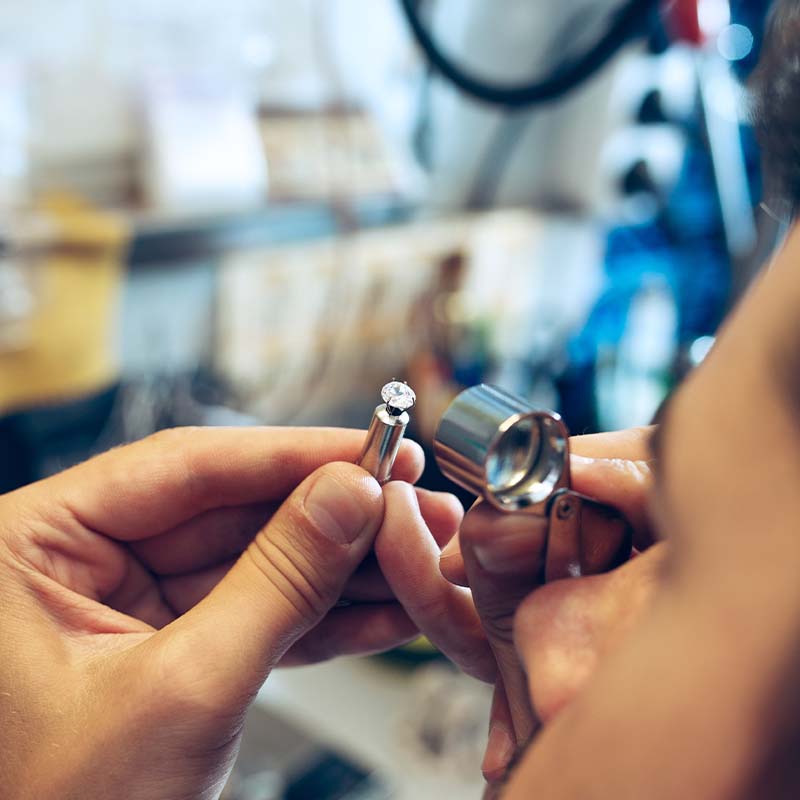
Consider asking about grading. Remember the names IGI (International Gemological Institute) and GCAL (Gem Certification and Assurance Lab), as they are both organizations that grade and certify lab-created diamonds. Apart from stating every detail of the gemstone itself, the report will also state whether the diamond was created using HPHT or CVD.

Size matters

When looking at engagement rings, take time to figure out which diamond size, cut, and shape really speaks to you. Every woman feels differently about what sort of diamond suits them best. It may take a little bit of looking to find the jewel that was created just for you.

Keep Calm and Buy a Diamond

Knowing the truth about lab-grown diamonds is important when you are shopping for a diamond engagement ring. Or perhaps you are considering a diamond encrusted wedding band. Time for an anniversary ring to prove that love still reigns? We’ve got a gem for that.

Why buy a lab-created diamond?

Choosing a lab-created diamond means you’ll get a stunning, everlasting gemstone while also supporting human rights and environmental justice. With the knowledge you now have about lab-created stones, you can choose yours and be confident that it will be the perfect companion for your ring finger for years to come.

Not sure which lab-created diamond to pick? Shoot our team a message and we’d be happy to guide you through picking the perfect diamond and answer any questions you may have.

FAQs

Do you still have questions? Here are a few frequently asked questions to help you through the process:

The process of creating lab-grown diamonds is far from easy. It requires expensive equipment and ample amounts of energy. However, the efficiency of the creation process for making a lab diamond continues to grow. Over recent years, the price of lab-grown diamonds has become much more attractive to many people.
Lab-grown diamonds are 100% real stones. They are both made up of the same elements and undergo similar processes. One happens within the earth and takes billions of years. The other happens in a lab and takes a couple of weeks.

Absolutely, and although the resale value of lab diamonds may depend greatly on the market.

To a naked eye, you cannot tell the difference between natural and lab-created diamonds. However, there are tools and machines that can identify the difference. Oftentimes, there are usually tiny inscriptions on lab-grown diamonds identifying them as such.

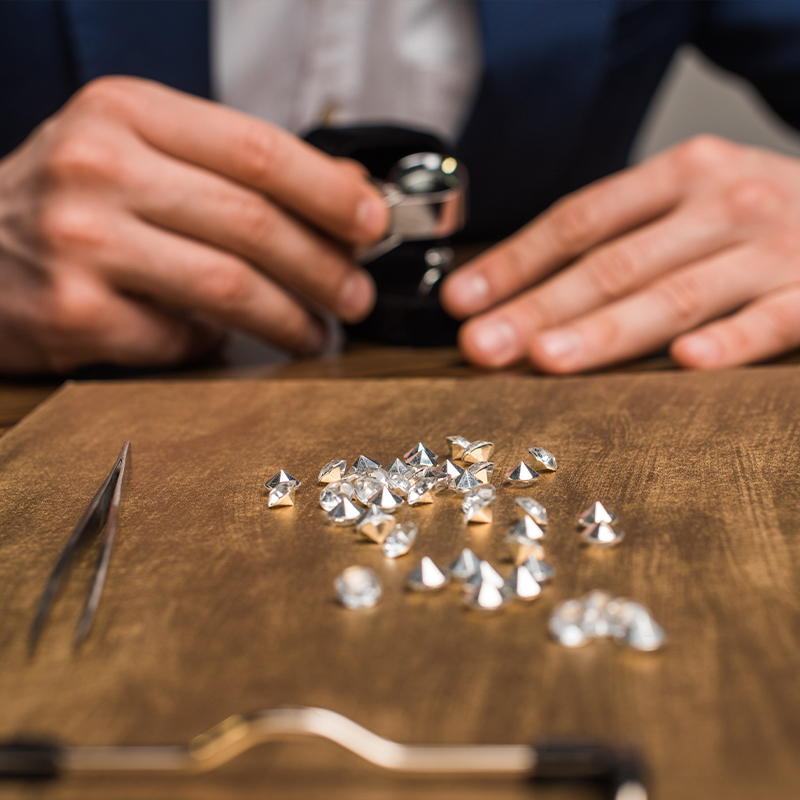
A lab diamond is just as durable as a naturally formed stone, making it just as everlasting. Diamond simulants, on the other hand, are not likely to hold up as well.

Financing Available

Looking for financing options. Call or email us today for more information.