Change Country / Currency

India (INR)
India (INR)
Every diamond is a unique gem, created by one of the most powerful processes of nature. And every diamond, whether natural or lab-created, is different. Therefore, jewelers have developed a standard to judge and describe diamonds. Over time this agreed upon standard became known as the 4Cs of diamonds.
These four qualities can explain just what professionals look for in diamonds. Knowing how the 4Cs of diamonds grades your ideal gem gives you perspective.
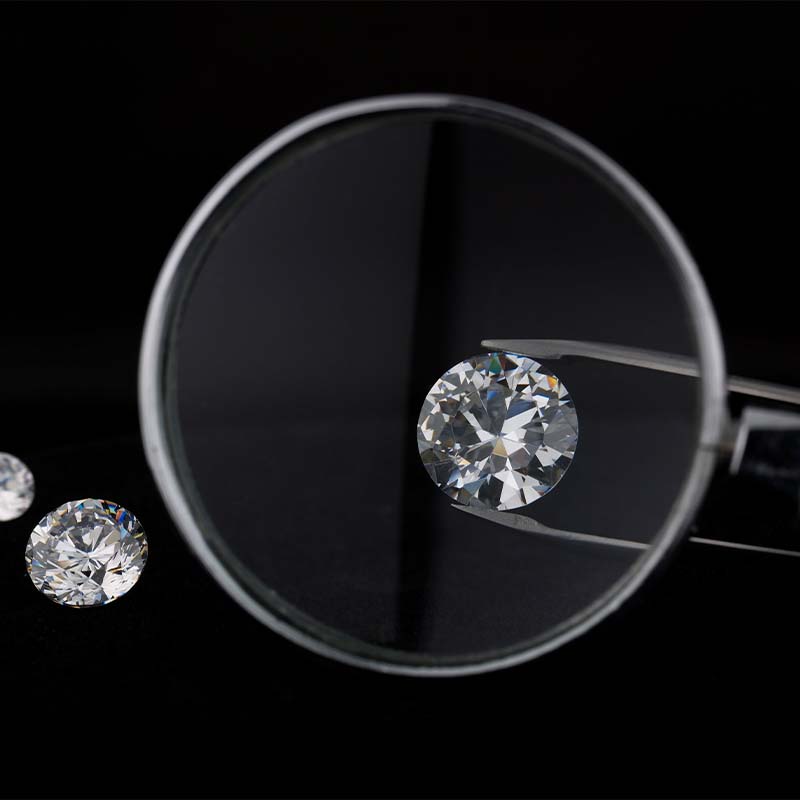
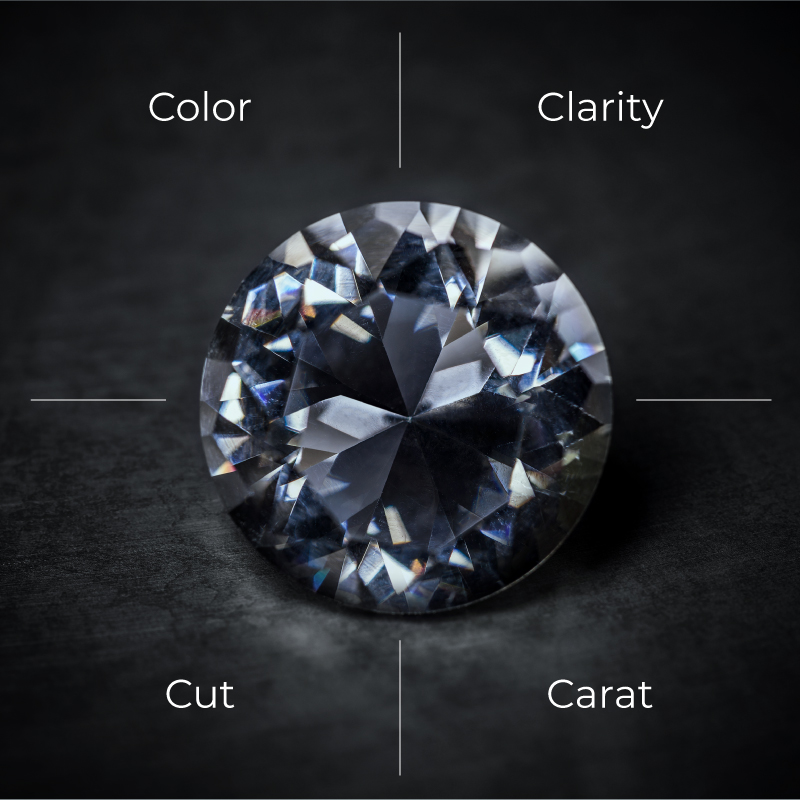
The 4Cs of diamonds is a standard agreed upon by jewelers around the world. Use these as a guideline when shopping for your own diamond engagement ring. The 4Cs of diamonds allows you to easily compare different rings, even if they look similar to the naked eye.
The 4Cs of diamonds are:
The 4Cs work together to create a dazzling diamond. Finding the right balance between the four categories is key when picking out a diamond engagement ring.
Each factor is present in every diamond, even if it’s hard to tell which C you’re looking at. The differences of each category allow diamond buyers to use a grading scale for quality.
You can evaluate each C independently from one another. However, some go together in consideration, like color and clarity. This means that buyers can determine which part of a diamond’s overall quality is most important to them.
The 4Cs of diamonds is a globally accepted standard for describing the quality of this type of stone. Diamond grading makes it much easier to know exactly what you’re buying. Knowing what each of the Cs describes is useful when shopping for any type of diamond jewelry.
Each part of the 4Cs of diamonds allows buyers to make an informed decision. Personally, you may feel that one of these factors is more important than the others.
When picking out an engagement or wedding ring, make sure you consider all these factors. Once you understand how each compares, then consider which of the Cs of diamonds is most important to you.
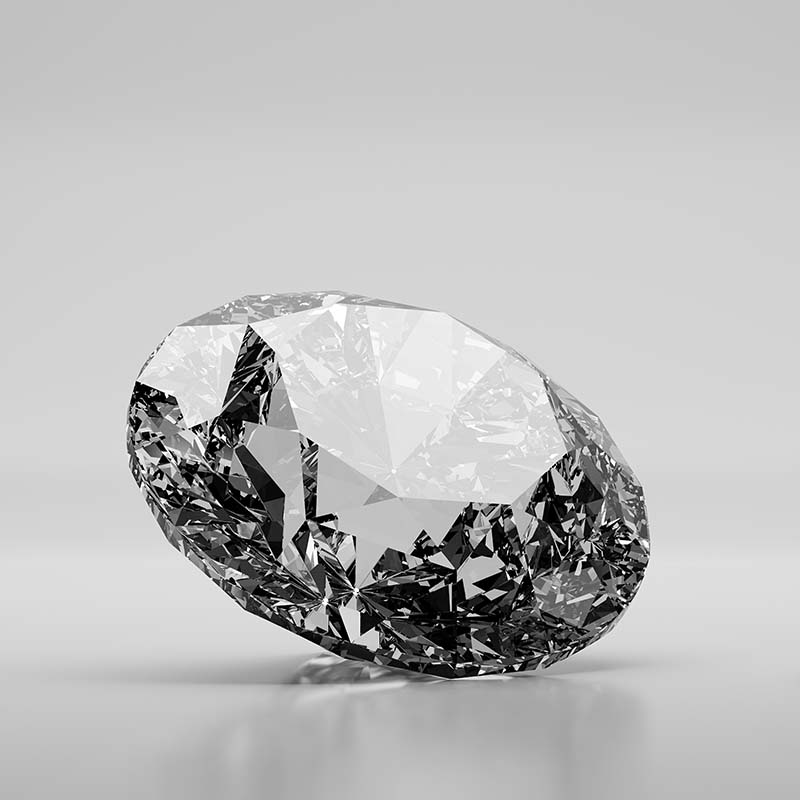
Diamonds come in a vast array of colors. Traditional diamonds are nearly colorless and fall into the “white diamond” category. Diamonds with a color grade are “fancy diamonds.”
The color grade of fancy diamonds can have a large impact on their value. Not every fancy diamond shows extreme coloration. Subtle tints of color in an otherwise colorless stone are much more common. While color is the most obvious difference, it is not often linked to how rare a gem is.
A fancy diamond is not necessarily more valuable than a white diamond. Color and clarity are often closely linked. Brown and light yellow-tinted diamonds are typically considered the lowest quality. Yet, many people prefer them for their style.
Diamonds in all shades find their way into jewelry, regardless of the color of their shine. However, white gems have remained the popular choice for a classic engagement ring.
The clarity grade of a diamond refers to the purity and amount of flaws in a gem. The most glamourous diamonds are free from tiny flaws.
There are two types of flaws present in diamonds: internal flaws and external flaws. The internal flaws are inclusions, while external flaws are blemishes. Inclusions are the type of flaw that many associate with diamond clarity.
Many companies use a scale for clarity grade. A ring with no blemishes or inclusions is flawless.
A number grading scale accounts for tiny flaws within the stone. A diamond with noticeable inclusions is likely to have a very poor clarity rating. The diamond quality also affects how well it refracts light. Typically, poor clarity means less refraction.
The ideal cut on a diamond turns it into a one-of-a-kind gem. Diamond cut refers to the craftsmanship and number of facets cut into the stone.
An excellent-cut diamond will have proper symmetry, polish, and proportions. These are what give diamonds their dazzling sparkles in the light. Any flashes of color you see in your diamond because of these facets is the fire.
The more facets there are in a diamond’s cut, the more the diamond will sparkle. Popular cut options allow light in through the gem’s table (the top). Every cut facet will reflect that light back in brilliant sparkles. The light that catches when your diamond moves is the scintillation.
Not every diamond cut goes well with every carat weight. A diamond’s cut grade also affects the type of band that it will pair well with. A more complex cut requires thoughtful planning. Great care goes into choosing the accent diamonds along with the band. A modern jeweler takes advantage of these ring dynamics to create elegant designs. The cut grade makes an impact on the final style of the engagement or wedding ring.
Carat weight measures the mass of a diamond. Each diamond carat equals 200 milligrams of weight, with each carat having 100 points. These points provide a well known reference for rings, including popular choices such as 1.5-carat and 2.25-carat.
Diamonds are generally priced “per carat”, with the other 4Cs factored in. How much a diamond weighs does not necessarily impact value in a linear fashion. Because larger diamonds are rarer, the price per carat increases after a certain threshold .
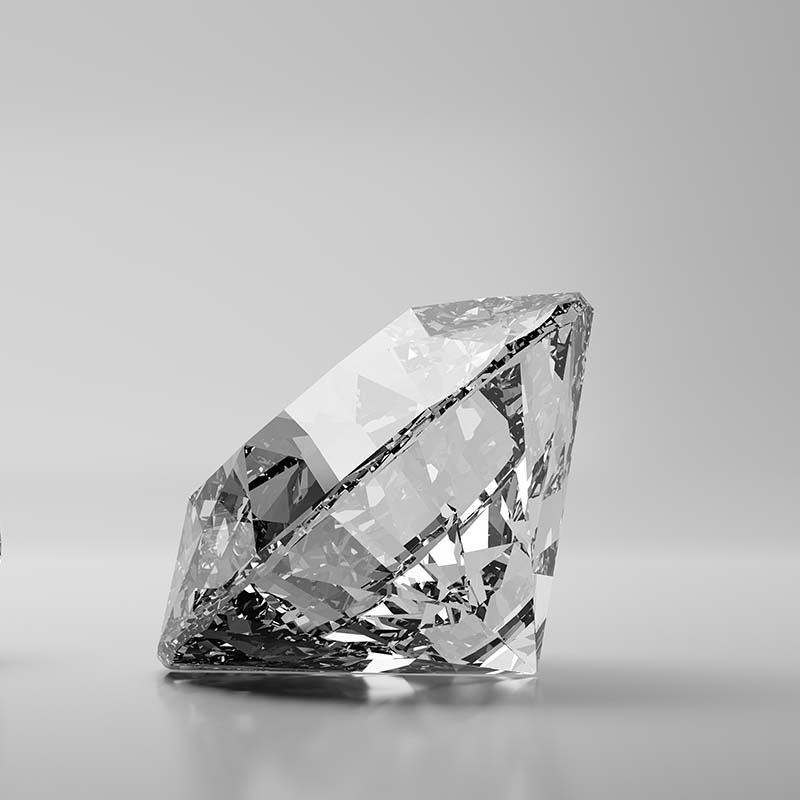
Each of the 4Cs measures diamonds with a unique scale. Color grades are from colorless to yellow. Each of the 5 categories has 3 subcategories represented with letters. D is the highest grade, and it means that the stone is absolutely colorless. These diamonds are very expensive. At the opposite end of the scale, Z indicates a noticeably yellow diamond. A grade of G is generally ideal, as it is the highest in the “near colorless” category. A G graded stone gives you a stunning diamond for a lower cost. To the naked eye, even a “near colorless” diamond looks like perfection.
Carat weight is measured in numbers expressed as decimals. Larger numbers equal larger gems. The scale for clarity grades stones from flawless to severely included. The more flaws a diamond has, the more likely it will be on the low end of the scale.
Finally, the cut scale goes from excellent to poor, with variations between. The cut grade of a diamond will take into account its brilliance, fire, and scintillation. All of these categories combined are what determine a diamond’s value and cost.
Indeed, the 4Cs of diamonds come together to create a dazzling display. However, many gem experts agree that a diamond’s cut is the most important factor. Because a diamond cut determines both shine and shape, it has a huge impact on the final style of a stone.
The more complexity in a diamond’s cut, the more light it will catch from every angle. This is why many of the most popular diamond cut styles start with more than 50 facets. These aspects are responsible for making diamond rings sparkle.
A diamond’s cut also influences what type of jewelry it pairs well with. Complex cuts will look out of place on a ring band designed for dainty colorless diamonds. A simpler cut allows a jeweler to get creative with the setting and accent stone choices. This is why many women start their wedding ring searches by picking their preferred diamond cut and shape.
Do you still have questions? Here are a few frequently asked questions to help you through the process:
The 4Cs stand for the four main categories that grade diamonds. These categories establish the stone’s quality and value.
A diamond’s quality makes a significant difference in its finished appearance. You will want to aim for as high on the grading scale as your prices allow.
When buying jewelry, a diamond’s clarity is important. A gem with a high grade will dazzle for years when compared to a gem with many inclusions and blemishes.
An excellent-cut diamond will be much easier to care for long-term. Additionally, a thoughtfully cut stone is more likely to retain its value. Over time, your diamond will need cleanings both at home and by professionals.
A diamond with perfect clarity is much easier to polish in any light.
Any diamond with blemishes is more likely to receive damage from everyday life. This complicates cleaning. And, in the worst-case scenario, will need repairs from your diamond jewelry.
The best carat weight will depend on how you want to balance clarity and carat. It is possible to find large diamonds with flawless clarity. But, keep in mind that these diamonds are very rare.
The best diamond carat weight will also depend on your preferred jewelry style. A larger diamond carat will sit on a ring finger more dramatically than a one-carat diamond ring.
Many jewelers recommend that buyers focus on a diamond’s cut more than its carat weight.
Your price range will help you determine what weight is right for you. Often, a large diamond will have one or more minor inclusions or other flaws. Many jewelers use diamond cuts to their advantage when hiding these flaws.
First, determine the right cut for your diamond. Then, find the carat weight that fits within your budget without sacrificing sparkle.
Overall, it is not strictly better to have a larger diamond versus a quality diamond if the price is not a concern.
A large diamond weight may provide a beautiful colorless diamond cut. But, a diamond with inclusions or other flaws can fit onto a band that makes them barely noticeable.
However, many lower-quality diamonds appear light yellow in certain lights. If you are looking for a classic diamond, many jewelers will recommend a flawless diamond of the highest carat in your price range.
Ideal wedding and engagement rings strike a balance between clarity and size for the perfect sparkle.
Many people prefer a elegantly cut flawless one-carat diamond to a larger gem with inclusions that appears yellow. A stone with a high diamond grading is also much easier to keep well maintained throughout the years. For many professionals, this is the big difference between carat weight and quality.
Traditionally, diamond mines were in war-torn regions and used to finance unethical conflicts. While this has been the standard for decades, buyers have begun to push back on this antiquated method of mining diamonds. Many diamond customers refuse to buy from unethical sources.
Buyers today place emphasis on diamonds that come from ethical sources. Most companies have chosen to adopt the fifth C of diamonds: conflict free. Diamonds sourced from mines with ethical working conditions can even receive special certification. Buying a lab-created diamond is also an option when taking conflict free into consideration.
Looking for financing options. Call or email us today for more information.