India (INR)
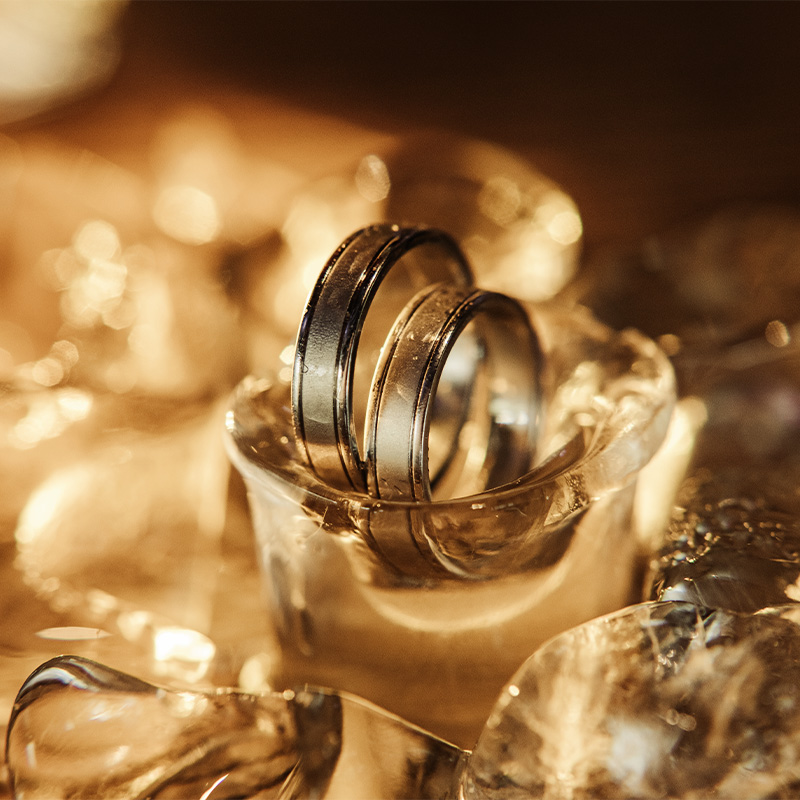
Platinum, yellow gold, stainless steel. These are just a few metals for rings you might run into while shopping for engagement and wedding rings. What are the differences between these metals and how can you find the right one for you?
Your ring may sparkle with glittering diamonds, but the backdrop is equally important. Today, we’re going to shine a light on all metals for rings. Discover the advantages and unique qualities of each ring material. From polished precious metals to industrial-inspired materials, let’s take a look at the best metals for engagement and wedding rings.
There are seemingly unlimited options of metals for rings. Technically, you could just twist some wire into a circle and call it a ring! For engagement and wedding rings, you’ll want something a bit more refined and elegant. Here are some of the best metals for engagement and wedding rings to consider:
When you choose this metal, you’ll join the illustrious ranks of the Hope Diamond, which is set in platinum. This material is a very rare, but gorgeous precious metal often used in jewelry.
One advantage of a platinum ring is that the metal is strong and durable. As a result, a platinum wedding ring will stand the test of time. It remains beautiful and lustrous even after decades of use.
If you have sensitive skin, platinum is an excellent choice as it is a hypoallergenic metal. When shopping for a platinum ring, ensure that the percentage of platinum is 95% for the greatest quality.
Known for its white-silver color, platinum makes for a beautiful background for diamonds. It has a mirror-like finish that shines endlessly and fits in well among silver or white gold jewelry. Will you choose platinum as the unparalleled, glamorous metal for your engagement or wedding ring?
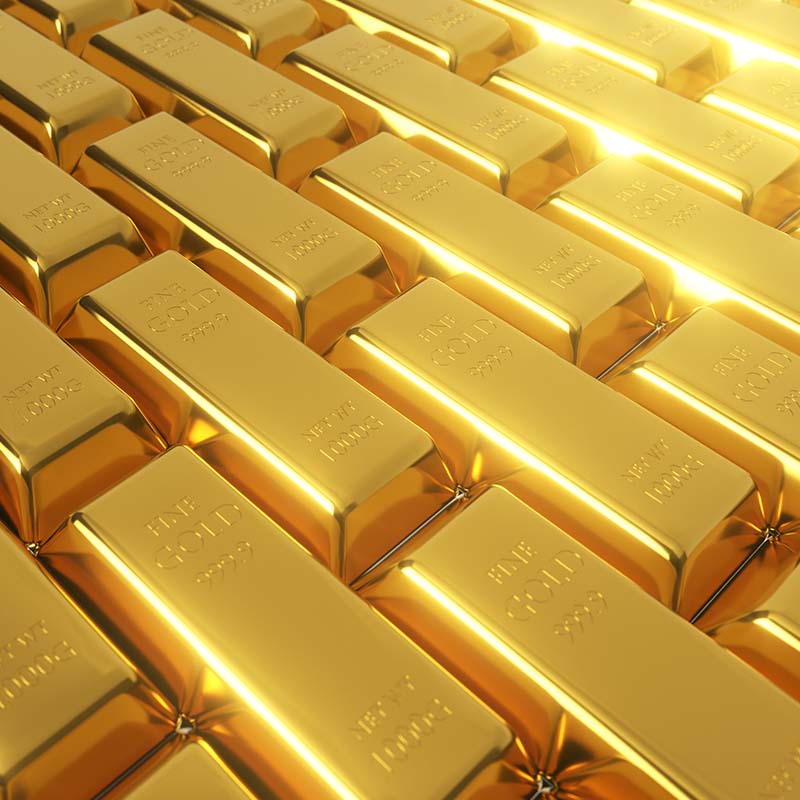
Classic and timeless, gold is a natural choice for both wedding rings and engagement rings. As far as metals for fine jewelry, this is one of the best ring materials you can choose. It won’t tarnish or corrode, keeps its bright shine, and will last for generations to come.
When shopping for gold wedding rings, you may come across many different options. While some rings are solid gold, others are hollow on the inside. Yet others use gold plating around a different metal base. Keep in mind that the gold in gold-plated or gold-washed jewelry may eventually wear off. Instead, look for solid gold pieces that will stand the test of time.
Luxurious and attractive, gold comes in a variety of colors. From warm, yellow gold, to white gold, and rose gold, you can choose your favorite tone to match your style. Learn more about the various types of gold below.

It's very rare to make jewelry using 100% gold. That's because gold is a softer metal. So, jewelers combine this attractive metal with other metals to give it strength. Classic yellow gold is pure gold that's mixed with silver, copper and zinc.
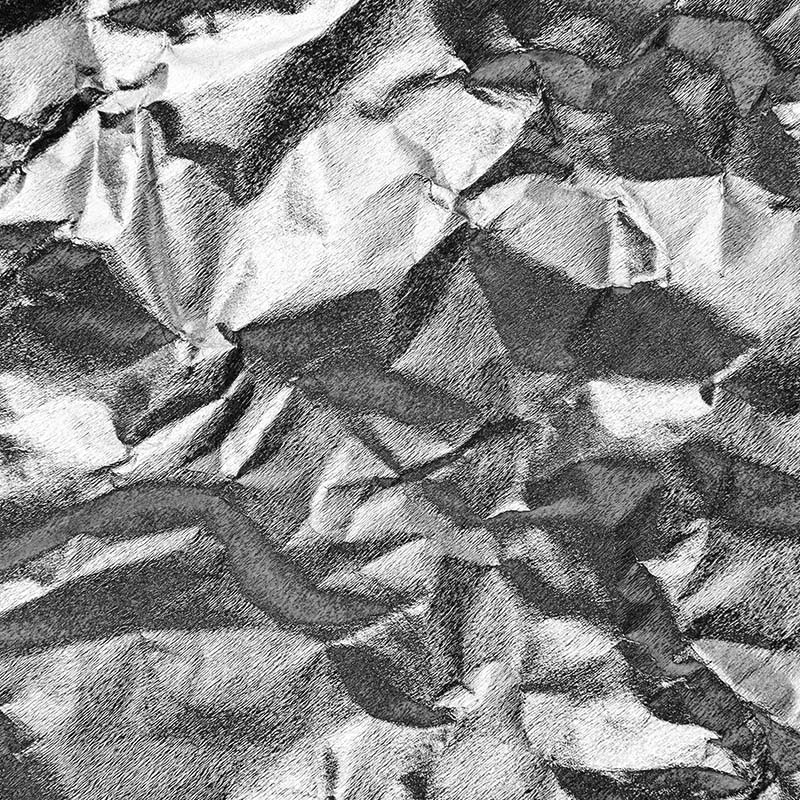
A gorgeous alternative to yellow gold, white gold is a mixture of several metals. The perfect mixture of different metals creates a stunning white glow. Some popular mixtures are pure gold and palladium, pure silver, nickel, copper, or zinc, or a combination of these. Depending on the makeup of the white gold, the color changes slightly. White gold can range from a very silvery white metal to having a warm or sunny yellow tint. A white gold ring is a great option if you love a white silvery color but want that brilliant gold shine.
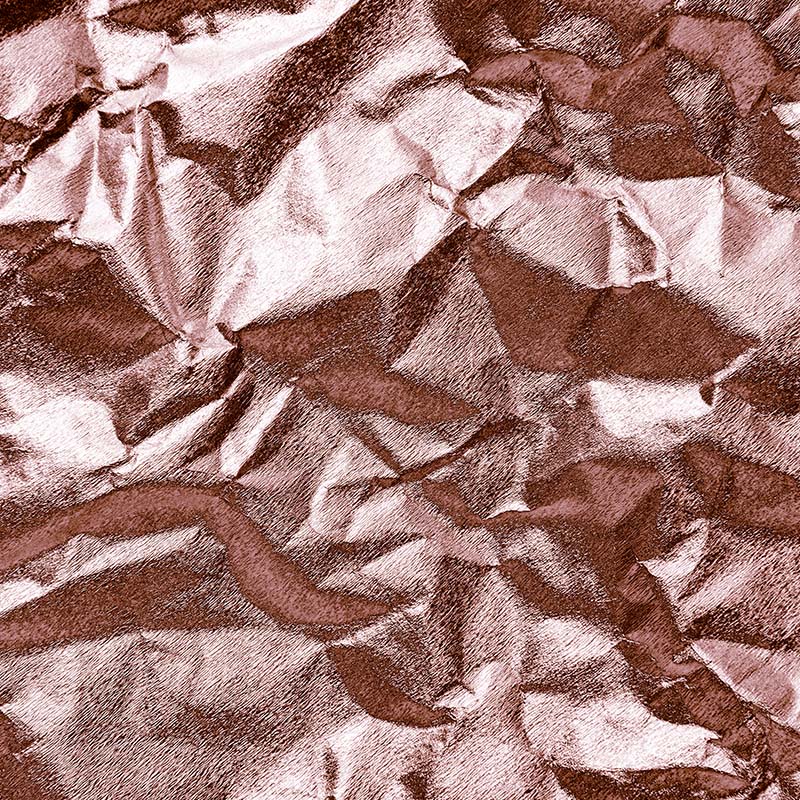
Copper gives this version of gold its pink or red tint. Sometimes rose gold is also known as pink gold. This unique color will make any ring stand out and highlight the pure white of a diamond center stone.

A popular choice for ring shoppers on a budget, sterling silver is a more durable version of silver. It can be polished into a glossy finish and ranges from gray to white. Often mixed with copper, sterling silver makes a wonderful choice for a wedding or engagement ring.
One thing to note about sterling silver is that it is not the most durable metal. Because of this metal’s hardness, a sterling silver wedding ring will need frequent cleaning and polishing, as it scratches and tarnishes easily.
Rhodium is one of the shiniest, most beautiful precious metals. However, it’s not typically used to make actual jewelry because it can be very brittle. Despite this, as a thin plating material, it’s perfect!
Rhodium plating is popular on gold or silver fine jewelry. Showing amazing scratch resistance and stunning luster, rhodium is fabulous for active people. Another advantage of rhodium is that it is hypoallergenic. If you’re allergic to nickel, rhodium plating can cover a nickel-based metal.
Rhodium plating does eventually wear off. So, you’ll need to have your jewelry replated regularly if you go this route. That said, rhodium does add a level of shine and color on par with platinum that is easy to fall in love with.
Alternative metals include tungsten carbide rings, stainless steel, or palladium. You could even opt for a titanium ring. In particular, titanium is a popular choice for men’s wedding rings. Titanium is one of the most durable metals, meaning its hard surface is scratch-resistant and easy to clean. Men often like alternative metals because they are virtually unnoticeable to the wearer. They are lightweight, but attractive, giving men an easy-to-wear symbol of love.
Tungsten wedding bands are also popular for men. This metal is also very strong and resists wear and tear.
Do keep in mind that tungsten and titanium rings cannot be resized. These metals are rather difficult to work with. So, be sure to get the ring size right before ordering these popular men’s wedding bands! Also, while these metals are very strong and resist scratching, they may shatter or crack if dropped.
First, let’s explore what karat is when referring to gold. Pure gold is 24 karat or 24K. So, what does it mean when gold is 14K? It means that 14 parts of the total 24 are gold. The additional 10 parts are another metal that adds strength.
When it comes to gold rings, you might think that the higher the karat, the better. Yet, this isn’t always the case. While a higher karat may make your yellow gold wedding ring really shine, gold is one of the softer metals. In other words, it’s easy to scratch or dent. So, you’ll need to give your high karat gold ring a lot of upkeep and maintenance to keep it looking its best.
If you hope to wear your wedding ring or engagement ring every day, you may want to opt for somewhere around 14K gold. That way, you get the gorgeous look of gold without worrying that any movement you make will result in a scratch.
When choosing among metals for rings, there are many considerations. Here are a few to take into account:
If you live an active lifestyle, choose a ring material that’s scratch-resistant and durable. For example, you might choose platinum which can last up to 30 years, 18K which can last up to 22 years or a lower-karat gold such as 14K which retains its luster for up to 15 years. These metals can withstand everyday wear while retaining a flawless shine. That said, any ring made of a quality precious metal requires regular care and cleaning.
One of the primary considerations is your style and taste. Do you have other jewelry that you wear regularly? You’ll want your engagement ring to fit in well with your other pieces. For instance, if most of your jewelry is yellow gold, opting for a yellow gold ring is a natural choice. Or, if you prefer silver or white gold jewelry, choose an engagement ring such as platinum or white gold to match.
If you’re seeking a more unique look, you may consider a shimmering pink gold ring that’s sure to stand out. Rose gold has seen a spike in popularity in recent years.
The best metal for your wedding band can be difficult to settle on. With so many metals for rings to choose from, it can be a struggle to make that final choice.
When choosing your wedding ring metals, you can opt to choose the same wedding band style for him and her. A “his and hers” set looks gorgeous in platinum or gold. These luxurious metals bring a priceless, classic look that’s impossible to reproduce.
Or, you can each find your own wedding ring metals to perfectly match your individual styles. Your wedding rings will still symbolize your joint love. If he has a tungsten ring and you have a white gold ring, you can still be a stylish pair.
When seeking wedding bands of different metals, you open the door up to more possibilities. This is especially true for men. Many men love the aesthetic and practical aspects of harder wedding band metals. Titanium and tungsten are just two popular choices.
As with engagement rings, when choosing your wedding band metal, consider your lifestyle, tastes, and how the wedding band you choose will fit in with your other jewelry.
Hopefully, now that you know all about the various metals to choose from, you can select the perfect ring with confidence. But if you are unsure of which precious metal is best for your engagement, wedding, or anniversary ring, we are here to help. The experts at Diamonds & Me would be happy to discuss your wants and needs for this important purchase.
Are you ready to select a gorgeous engagement or wedding ring? Reach out to us today to chat about your customizations and creating the perfect ring.
Do you still have questions? Here are a few frequently asked questions to help you through the process:
Gold is the most popular ring material for wedding bands. Some might even venture to say that it’s the best wedding ring metal. Whether you opt for yellow gold or white, gold is classic, shimmering, and attractive. Ultimately, gold wedding bands will provide an enduring symbol of devotion that’s as bright as your love.
When it comes to types of ring metals, platinum takes the cake as the priciest. Platinum is exceedingly rare and is even harder to mine and produce than gold. One of the strongest metals, platinum maintains a gorgeous shiny finish. Though platinum demands a higher price, it’s a better value due to its long-lasting wear and lustrous shine and color. This durable metal is worth the price tag. If you love a white silvery color but want the strongest precious metal, platinum is the perfect metal for you.
If you’re looking for a metal that will last, you can’t go wrong with platinum or gold. Both of these metals keep their value and appeal even after decades of use. While they may suffer scratches, these metals for rings are unlikely to break into pieces or shatter. In fact, thanks to its strength, platinum is often used to create prongs on engagement rings.
Tungsten carbide is four times as strong as titanium, meaning it’s at the top of the list of hard metals for rings. As a result, it’s also very scratch resistant. Titanium is another scratch resistant metal. Despite this, the hardness makes these metals more likely to crack or shatter.
When you customize your ring with Diamonds & Me, you will be able to choose from yellow gold, white gold, rose gold, and platinum.
While these options may not be available for every style, we try to offer as many possible customizations as we can. This allows you to have a ring that suits your style and personality.
We only offer yellow gold, white gold, rose gold, and platinum because we believe that these metals for rings offer superb quality without sacrificing beauty and shine.
Looking for financing options. Call or email us today for more information.